How to pick a free beat for a fast aggressive freestyle and get it cleared for release
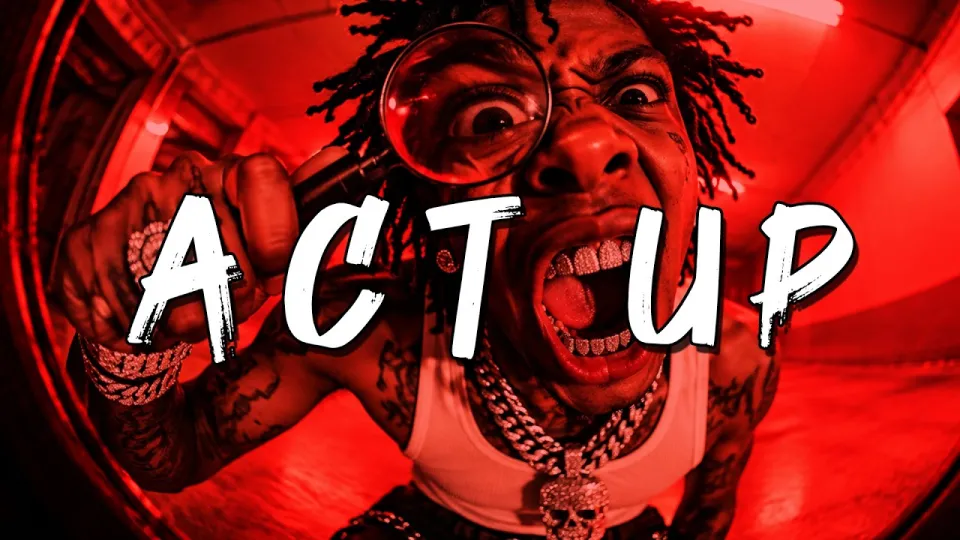
Video: Hard Bouncy Trap Rap Beat ''ACT UP'' Fast Aggressive Freestyle Type Dark Beat Instrumental
Need articles like this for your video? They help promote it on YouTube and Google — order them in the Telegram bot @sat_sit_bot. Articles with your video embedded are written and posted by the bot itself — on popular topical sites (no ads). Free trial — 50 articles.
· based on the channel Profetesa Beats (Hip-Hop Rap Instrumentals)
Key takeaways
- "ACT UP" is a hard, bouncy trap instrumental built for fast, aggressive freestyle and diss-style verses.
- The untagged version is sold on BeatStars; the free stream is a tagged preview for writing and practice.
- A free beat license does not allow registering the song with BMI, ASCAP or any Content ID system.
- Only an exclusive license lets you claim the instrumental through content ID platforms.
- The beat sits in the same lane as modern trap type beats for artists such as BigXthaPlug and Lil Baby.
A free beat is an instrumental you can download or stream at no cost and write to, but the free tier almost always comes with limits: it is tagged, non-exclusive, and you cannot register the finished song with a royalty society or a content ID system. The practical route is to write and demo on the free version, then buy the untagged license before release — for example, the untagged file of "ACT UP" is available on BeatStars.
What a free beat actually gives you
A free beat is a promotional copy of an instrumental, not a transfer of ownership. Producers put out free versions so rappers can test the sound, record a reference and post a quick freestyle; the producer keeps the copyright and the right to sell the same beat to other artists.
What you typically get with a free download:
- An MP3, often with a producer tag or voice drop over the beat.
- A non-exclusive right to record and share the song for promotion only.
- A hard limit on monetization — usually streaming revenue, paid downloads and sync are excluded.
- No permission to register the composition with a collecting society or to claim it in a content ID system.
What you do not get: exclusivity, stems, or the ability to stop another artist from using the same instrumental. If a track starts to move, the tagged file becomes a liability — the tag sits in the mix and the license will not cover a release.
Why "ACT UP" suits fast, aggressive freestyle
A fast aggressive freestyle beat needs three things: a tempo high enough to force long runs of syllables, a bounce that keeps the pocket readable at speed, and low-end weight that survives a phone speaker. "ACT UP" from Profetesa Beats is built in exactly that lane — hard, bouncy trap drums under a dark melodic loop, aimed at freestyle, diss and hype records.
The character of the beat shapes the writing. Bouncy trap drums push you toward short, punchy bars with space between them; a dark minor-key loop rewards a deadpan, menacing delivery rather than a melodic one. That is why this style of instrumental is often labelled as a type beat for artists like BigXthaPlug or Lil Baby: the drums do the work, so the rapper can stay conversational and still hit hard.
How to write and record on a free beat in five steps
Start by matching your flow to the drum pattern before you write a single punchline. The order below keeps you from wasting takes on a beat you have not learned yet.
- Loop the beat and count the bars. Find where the 8-bar and 16-bar sections change so your verse has a natural landing point.
- Map the kick and snare pattern out loud with filler syllables. On a bouncy trap beat the snare often falls where a punchline wants to sit — decide early whether you land on it or step around it.
- Write 16 bars, then cut to 12. Fast aggressive beats expose filler; deleting four bars usually makes the verse hit harder.
- Record a reference take over the tagged file. Keep the tag audible so you never accidentally treat the demo as a master.
- Buy the untagged license and re-record or re-render with the clean instrumental before you publish anything.
Typical questions from people using free beats
Three doubts come up again and again under free instrumental uploads, and each has a concrete answer.
Can I use this in my video? Only within the free license terms. A monetized YouTube video or a brand clip usually needs at least a paid lease; ask the producer directly if the intended use is not covered in writing.
Can I upload the song to Spotify? With most free licenses, no — distribution requires a paid lease. Some producers allow non-profit uploads, but the terms differ, so read the license file that comes with the download.
Can I register it with BMI, ASCAP or content ID? Not without an exclusive license. Profetesa Beats states this explicitly: regardless of whether you bought a license, you cannot register the song with BMI, ASCAP or any other content ID system unless you hold an exclusive license. Claiming a beat you leased non-exclusively can get your release taken down and your account flagged.
Will the producer sell the same beat to someone else? Yes, on any non-exclusive tier. That is the trade-off for the low price; if the song matters, the exclusive is the only way to lock the instrumental.
Where to get the untagged version and follow the producer
The untagged file, license options and the producer's full catalog sit on BeatStars, and the streaming playlist is the fastest way to hear the range of styles before you commit.
- Untagged purchase and licenses: ACT UP on BeatStars
- Streaming playlist of beats: https://open.spotify.com/playlist/59qP3vgqTJTT6RPqkToWE3
- Instagram: https://www.instagram.com/profetesa_rap_beats/
- Full BeatStars store: https://profetesabeats.beatstars.com/
The bottom line on free beats
A free beat is a writing tool and an audition, not a release plan. Use the tagged version to test whether a fast aggressive flow fits the bouncy trap drums, then secure the untagged file and the correct license before anything goes public. Keep the license document with the project files — it is the only proof you have if a distributor or a platform asks questions. Profetesa Beats (Hip-Hop Rap Instrumentals) publishes this kind of hard, dark instrumental regularly, and the channel is a useful place to hear how a beat's bounce dictates the flow. When a beat earns a real song, buy the untagged version at BeatStars and keep the paperwork clean.
Questions & answers
Is a free beat really free to use commercially?
Almost never. A free download usually covers practice, demos and non-monetized promotion only, and it is non-exclusive. Commercial release, paid streaming and sync work require a paid lease or an exclusive license, so check the license file that came with the download before you plan a release.
Can I put a song on a free beat on Spotify or Apple Music?
Only if the license allows distribution, which most free tiers do not. Distribution normally starts at a paid lease. Uploading a tagged free beat to streaming platforms risks a takedown and can put your distributor account at risk.
Why can't I register my song with BMI or ASCAP when I used a leased beat?
Because a non-exclusive lease does not transfer the copyright in the instrumental. Registering the composition or claiming it through a content ID system conflicts with the producer's rights, which is why producers such as Profetesa Beats prohibit it unless you hold an exclusive license.
What tempo and style should I expect from a beat like "ACT UP"?
It is a hard, bouncy trap instrumental with dark melodic elements, built for fast aggressive freestyle, diss and hype records. The busy drum pattern pushes short punchy bars, so write to the kick and snare placement first and let the punchlines land on the gaps.
Source: Hard Bouncy Trap Rap Beat ''ACT UP'' Fast Aggressive Freestyle Type Dark Beat Instrumental · Markdown version